Birch Plywood vs Poplar Plywood: Which Is Better?
Birch plywood vs poplar plywood: compare strength, weight, cost, moisture resistance and applications to choose the right plywood for your project.
Birch Plywood vs Poplar Plywood: Differences, Properties, and Which One Should You Choose?
Plywood is one of the most widely used engineered wood materials in the woodworking, furniture manufacturing, construction, and interior design industries. Its layered structure, versatility, dimensional stability, and range of available specifications make it an important material for both residential and industrial applications.
However, selecting the right type of plywood can significantly influence the weight, durability, manufacturing costs, appearance, and long-term performance of a project.
One of the most common questions among furniture manufacturers, carpenters, architects, and construction professionals is: Birch plywood vs poplar plywood: which one is better?
Although both materials are manufactured by bonding thin layers of wood veneer together, their physical and mechanical characteristics differ considerably.
Birch plywood is generally known for its higher density, surface hardness, and mechanical strength. Poplar plywood, on the other hand, is valued for its lightweight structure, ease of machining, and often more economical price.
Nevertheless, neither material is automatically the best choice for every application.
Selecting suitable plywood requires careful consideration of load requirements, environmental conditions, surface quality, moisture exposure, manufacturing processes, and project budgets.
In this comprehensive guide prepared for Kuruoğlu Kerestecilik ve Dış Tic. A.Ş., we explore the differences between birch and poplar plywood, compare their technical properties, and explain how to choose the most appropriate material for different applications.
What Is Plywood and How Is It Manufactured?
Plywood is an engineered wood panel manufactured by bonding multiple thin layers of wood veneer together, typically with the grain direction of adjacent layers arranged perpendicular to one another.
This cross-laminated structure helps improve dimensional stability and distribute mechanical properties across different directions.
Plywood can be manufactured from various wood species, including birch, poplar, beech, okoume, and other hardwoods and softwoods.
The species of wood, veneer quality, number of layers, adhesive system, and manufacturing process all influence the final properties of the panel.
How Is Plywood Produced?
The plywood manufacturing process generally involves several stages:
Selecting suitable logs and raw materials.
Preparing the logs and producing thin wood veneers.
Drying the veneers to an appropriate moisture content.
Sorting veneers according to quality.
Applying adhesives suitable for the intended application.
Arranging veneer layers in alternating grain directions.
Bonding the layers using pressure and heat.
Cutting, sanding, and inspecting the finished panels.
Different manufacturing methods produce plywood with different performance characteristics.
For this reason, buyers should not evaluate plywood solely according to thickness, appearance, or price.
Understanding the construction and intended use of the panel is essential.
What Is Birch Plywood?
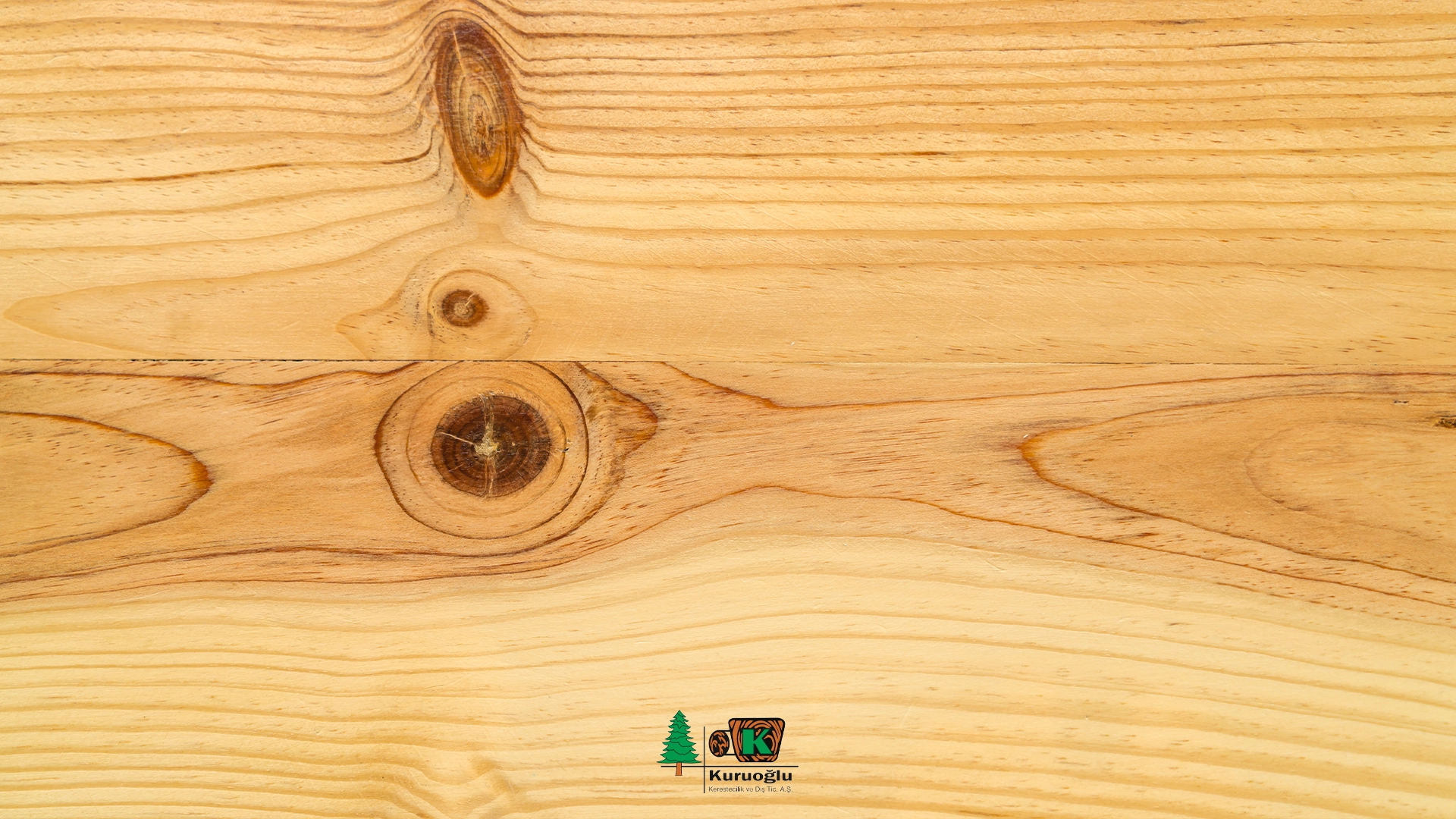
Birch plywood is an engineered wood panel manufactured using veneers obtained from birch trees.
Birch is widely associated with Northern European and Baltic timber industries, where it is valued for its relatively high density, hardness, and uniform wood structure.
Birch plywood is frequently selected for projects requiring mechanical strength, durable surfaces, and reliable performance.
However, the technical characteristics of individual products depend on the wood species, veneer construction, manufacturing quality, and applicable product standards.
Main Properties of Birch Plywood
Birch plywood generally offers the following characteristics:
Relatively high density
Good mechanical strength
High surface hardness
Good stiffness in suitable panel constructions
Strong screw-holding performance in appropriate applications
A stable cross-laminated structure
Multiple surface quality grades
Compatibility with different finishing systems
Availability of panels manufactured for different moisture exposure conditions
These properties make birch plywood particularly useful where surface durability and structural performance are important.
However, structural applications require verified mechanical properties and compliance with relevant specifications.
Where Is Birch Plywood Used?
Birch plywood can be used in a wide variety of industries.
Furniture manufacturing: Cabinet components, shelving, tabletops, drawer systems, and furniture elements requiring strength.
Interior design: Decorative wall panels, shop fittings, display units, and custom furniture projects.
Industrial applications: Machinery enclosures, work platforms, and engineered panel components.
Vehicle interiors: Selected flooring, wall panels, and equipment components in commercial vehicles.
Specialized construction applications: Formwork and other applications when appropriate technical grades and surface coatings are specified.
The suitability of birch plywood depends on the required thickness, surface grade, bonding classification, and verified mechanical properties.
What Is Poplar Plywood?
Poplar plywood is manufactured by bonding thin veneers obtained from poplar trees into a cross-laminated panel.
Poplar is generally characterized by its relatively low density, softer wood structure, and ease of processing.
These properties make poplar plywood a popular choice for projects where reducing material weight is important.
Poplar plywood is frequently used in furniture production, packaging, decorative applications, exhibition systems, and lightweight interior components.
Main Properties of Poplar Plywood
Typical characteristics of poplar plywood include:
Low density
Lightweight panel construction
Good machinability
Relatively easy cutting and shaping
Light-colored wood surfaces
Compatibility with paints and decorative finishes
Convenient handling and installation
Often more economical pricing
Suitability for various interior applications
Because poplar is generally lighter than birch, poplar plywood panels usually weigh less than comparable birch panels of similar dimensions.
This difference can be particularly important in projects involving large panels or weight-sensitive components.
Where Is Poplar Plywood Used?
Poplar plywood is commonly considered for the following applications.
Furniture production: Lightweight cabinets, drawer components, back panels, and decorative furniture.
Packaging: Wooden boxes, shipping crates, and protective packaging structures.
Interior decoration: Wall panels, ceiling applications, and lightweight decorative components.
Exhibition systems: Trade show stands, temporary displays, and portable exhibition furniture.
Architectural models: Prototypes, models, and projects requiring easy cutting.
Vehicle interiors: Selected lightweight panels designed for appropriate loading conditions.
Although poplar plywood offers advantages in weight and machinability, its mechanical characteristics should be checked before using it in load-bearing applications.
Birch Plywood vs Poplar Plywood: Key Differences
The birch plywood vs poplar plywood comparison begins with understanding the differences in density, strength, hardness, weight, workability, and price.
Birch plywood generally offers a denser and harder structure.
Poplar plywood usually provides lower weight and easier processing.
However, moisture performance, bonding quality, and structural characteristics depend on the specific product.
Birch Plywood vs Poplar Plywood Comparison Table
| Property | Birch Plywood | Poplar Plywood |
|---|---|---|
| Wood species | Birch | Poplar |
| Density | Generally higher | Generally lower |
| Weight | Heavier | Lighter |
| Surface hardness | Usually higher | Usually lower |
| Mechanical strength | Generally higher for comparable grades | Typically lower, depending on construction |
| Machinability | Good | Particularly easy |
| Screw holding | Often stronger with suitable connections | Requires appropriate fastening design |
| Appearance | Fine, relatively uniform grain | Light-colored, softer appearance |
| Typical price | Often higher | Often more economical |
| Moisture resistance | Depends on bonding and panel specification | Depends on bonding and panel specification |
| Common applications | Durable furniture and industrial components | Lightweight furniture and decorative panels |
These characteristics represent general differences, not guaranteed performance values for every product.
Panels from different manufacturers may have significantly different technical specifications.
Birch Plywood vs Poplar Plywood: Which Is Stronger?
Strength is one of the most important factors when comparing plywood materials.
In general, birch plywood offers greater density, surface hardness, and mechanical strength than poplar plywood of comparable construction and quality.
This can make birch plywood advantageous in applications involving higher loads, repeated use, and mechanical stress.
However, strength should never be evaluated based on wood species alone.
Bending Strength
Bending strength describes how a material behaves under bending loads before failure.
Many commercial birch plywood products offer relatively high bending strength because of their dense veneer structure.
Poplar plywood, being lighter, may offer lower bending strength but can still be suitable for applications with moderate or limited mechanical requirements.
The actual performance of each panel should be confirmed using manufacturer technical data.
Bending Stiffness
Bending stiffness describes a panel's resistance to deflection under load.
This property is particularly important in shelves, tabletops, flooring systems, and supported panels.
A panel with insufficient stiffness may bend excessively even if it does not immediately break.
Birch plywood may offer advantages where stiffness is a priority, but thickness, support spacing, veneer orientation, and loading conditions also matter.
Surface Hardness
Birch plywood usually has a harder surface than poplar plywood.
This can be beneficial for furniture components and work surfaces exposed to frequent contact or mechanical wear.
Poplar plywood is generally softer and may be more susceptible to surface dents in certain applications.
Surface coatings can influence the wear resistance of either material.
Screw-Holding Performance
Fastening performance is important in cabinets, shelving, and furniture assembly.
The relatively dense structure of birch plywood can provide advantages for screw holding when suitable fasteners and connection details are used.
Poplar plywood may require additional attention to screw dimensions, edge distances, reinforcement, and fastening methods.
Therefore, in the birch plywood vs poplar plywood strength comparison, birch plywood is generally the stronger option.
However, actual engineering decisions should be based on tested product properties rather than general assumptions.
Birch Plywood vs Poplar Plywood: Which Is Lighter?
Weight is another major consideration when choosing plywood.
Poplar plywood is generally lighter than birch plywood because poplar wood typically has a lower density.
This can make poplar particularly attractive for mobile furniture, packaging, vehicle interiors, exhibition systems, and projects requiring easy handling.
Typical Plywood Density
Representative commercial birch plywood products may have densities in the approximate range of 640–700 kg/m³.
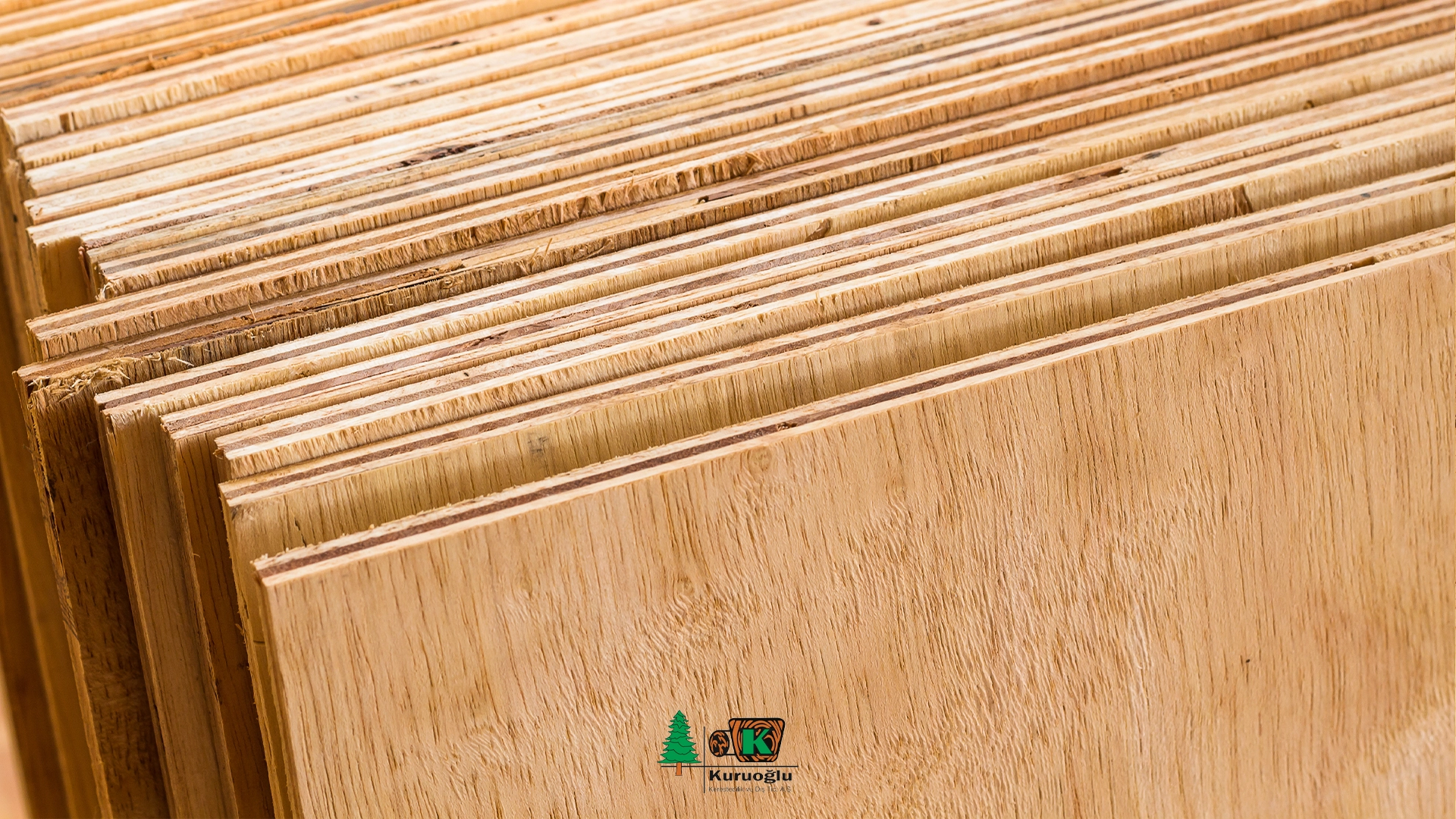
Some poplar plywood products may have densities around 400 kg/m³.
These figures are illustrative rather than universal specifications.
Actual density depends on wood species, veneer construction, adhesive content, moisture, and manufacturing methods.
Example: Weight of an 18 mm Plywood Sheet
Consider a plywood panel measuring 1220 × 2440 mm with a thickness of 18 mm.
Using an illustrative density of 680 kg/m³ for birch plywood:
Estimated birch plywood weight: approximately 36.4 kg.
Using an illustrative density of 400 kg/m³ for poplar plywood:
Estimated poplar plywood weight: approximately 21.4 kg.
In this example, the difference is approximately 15 kg per sheet.
Actual sheet weights may vary by manufacturer and product specification.
Advantages of Lightweight Plywood
Lighter panels may provide several practical benefits:
Easier transportation
More convenient manual handling
Reduced weight in mobile structures
Simplified installation
Greater suitability for portable furniture
Potential logistical advantages
Nevertheless, reduced weight must be balanced against the required strength and stiffness.
The lightest plywood is not always the most suitable material.
Birch Plywood vs Poplar Plywood: Which Is More Water-Resistant?
Moisture resistance is often misunderstood when comparing plywood types.
Neither birch nor poplar plywood should automatically be considered waterproof simply because of the wood species used.
Moisture performance depends on several factors, including the adhesive system, panel construction, surface protection, edge sealing, and intended service environment.
For example, a poplar plywood panel manufactured with an exterior-grade bonding system may be more suitable for certain damp conditions than birch plywood manufactured exclusively for dry interior use.
Understanding EN 636 Plywood Classifications
EN 636 is a European standard used to classify plywood according to intended service conditions.
The main categories include:
EN 636-1: Plywood intended for dry conditions.
EN 636-2: Plywood intended for humid conditions.
EN 636-3: Plywood intended for exterior conditions.
The EN 314-2 standard addresses plywood bonding quality and includes different bonding classes.
These classifications are important when selecting plywood for environments with varying moisture exposure.
Is Marine Plywood Completely Waterproof?
Marine plywood is associated with specific performance requirements for demanding environments.
However, even plywood marketed for marine applications should not be assumed to withstand unlimited water exposure without appropriate protection.
Water can enter through cut edges, fastening holes, and unprotected surfaces.
Suitable coatings, sealing methods, and maintenance may be required.
In the birch plywood vs poplar plywood moisture-resistance comparison, the bonding class and product specifications are more important than the wood species alone.
Birch Plywood vs Poplar Plywood for Furniture Manufacturing
Furniture manufacturing is one of the most important application areas for plywood.
Choosing the most suitable material depends on the furniture's design, intended use, weight requirements, expected loading, and production budget.
Cabinets and Shelving
Shelves carrying relatively heavy loads require appropriate bending strength and stiffness.
Birch plywood may be advantageous for shelves and structural furniture components where mechanical performance is important.
However, shelf length, support spacing, thickness, and fastening design must also be considered.
Poplar plywood may be suitable for lightweight cabinets and adequately supported decorative shelving.
Drawer Components
Drawer manufacturing requires consideration of weight, wear, fastening strength, and material thickness.
Poplar plywood may be advantageous for selected drawer components because it reduces overall weight.
Birch plywood may be preferred in components requiring higher surface hardness or stronger mechanical connections.
Tabletops and Work Surfaces
Tabletops and work surfaces require adequate stiffness and resistance to everyday use.
Birch plywood can be a suitable option where mechanical strength and surface hardness are priorities.
However, surface finishing systems significantly influence resistance to scratches, moisture, and wear.
Decorative Furniture
Decorative furniture often prioritizes appearance, ease of manufacturing, and manageable costs.
Poplar plywood can be an economical and lightweight option for certain decorative projects.
The surface grade should be chosen according to whether the panel will be painted, veneered, or otherwise finished.
For furniture manufacturing, the birch plywood vs poplar plywood decision should therefore be based on the function of each component.
Using different plywood types within the same project may also be practical when the design allows it.
Birch Plywood vs Poplar Plywood: Which Is More Affordable?
Cost is an important consideration for manufacturers, contractors, and woodworking businesses.
Poplar plywood is frequently less expensive than comparable birch plywood products.
However, this is a general market tendency rather than a universal pricing rule.
What Affects Plywood Prices?
Several factors influence plywood pricing.
Wood species: Different raw materials have different supply conditions and production costs.
Thickness: Thicker panels generally require more material.
Sheet dimensions: Standard and custom panel sizes may have different prices.
Veneer quality: Veneer grading and internal construction can influence manufacturing costs.
Surface grade: Visible surface quality, sanding, and finishing requirements can affect price.
Adhesive system: Panels manufactured for different environmental conditions may use different adhesives.
Supply conditions: Import costs, exchange rates, stock availability, transportation, and order quantities can influence prices.
Is Cheaper Plywood Always the Better Choice?
A lower initial price does not necessarily produce the lowest overall project cost.
For example, choosing a panel with insufficient stiffness for a heavily loaded shelf could lead to deformation or additional reinforcement expenses.
Conversely, selecting a dense, expensive plywood for a lightweight decorative application may increase costs unnecessarily.
The best approach is to evaluate the panel's total value, including its performance, processing requirements, transportation, maintenance, and expected service life.
Birch Plywood vs Poplar Plywood for CNC Cutting
CNC machining is widely used in furniture production, custom woodworking, architectural modeling, and industrial manufacturing.
The machinability of plywood can influence processing speed, tool wear, edge quality, and production efficiency.
CNC Machining of Poplar Plywood
Poplar plywood is relatively lightweight and soft, making it convenient for many cutting and routing operations.
It can be useful for decorative components, prototypes, models, and lightweight furniture.
However, machining parameters must be selected carefully to avoid surface tearing or poor edge quality.
CNC Machining of Birch Plywood
Birch plywood has a denser and harder structure.
It can be machined accurately with suitable tools and cutting parameters.
However, higher cutting forces and increased tool wear may occur compared with softer panel materials.
Birch plywood can be attractive where strong edges and durable components are required.
Which Plywood Is Better for CNC?
The answer depends on the finished product.
For lightweight decorative components, poplar plywood may offer practical advantages.
For components requiring higher density and mechanical performance, birch plywood may be preferable.
Internal veneer quality, core gaps, thickness tolerance, and bonding quality should also be checked.
Which Plywood Is Better for Indoor and Outdoor Applications?
Indoor and outdoor projects expose materials to different environmental conditions.
A plywood panel intended for dry indoor furniture may not be appropriate for applications exposed to rain or repeated moisture changes.
Indoor Applications
Both birch and poplar plywood can be used for suitable interior applications.
Birch plywood may be preferred where hardness, stiffness, and durability are important.
Poplar plywood may be selected for lightweight furniture, decorative panels, and applications where ease of handling is a priority.
Humid Environments
Plywood used in humid conditions should have a suitable service classification.
Adhesive performance, surface coatings, and edge protection are particularly important.
Outdoor Applications
Outdoor applications require plywood specifically designed and classified for the intended environmental exposure.
Panels should be selected according to applicable technical standards and performance documentation.
Even exterior-grade plywood may require appropriate surface protection and maintenance.
For structural applications, relevant engineering requirements must also be followed.
How to Choose the Right Plywood Thickness
Plywood thickness influences stiffness, weight, machining options, and suitability for different applications.
Thin panels may be appropriate for supported decorative surfaces, while thicker panels may be required for selected furniture or industrial components.
However, thickness alone does not determine a panel's load-bearing capacity.
Important factors include:
Wood species and veneer construction
Panel thickness
Panel dimensions
Distance between supports
Magnitude and distribution of loads
Grain orientation
Moisture conditions
Verified mechanical properties
For example, an 18 mm plywood shelf may perform differently depending on the distance between its supports and the weight placed on it.
Structural applications should be designed using appropriate engineering calculations and certified material data.
What Should You Consider Before Buying Plywood?
Before making a final birch plywood vs poplar plywood decision, buyers should review the technical specifications of the available products.
Determine the Intended Application
Start by identifying where the panel will be used.
Furniture, packaging, decorative panels, and industrial structures have different requirements.
Compare Density and Weight
Weight-sensitive projects require careful consideration of panel density.
Ask for the actual weight or density of the specific product rather than relying only on typical industry values.
Check Surface Quality
Surface quality matters when panels will remain visible, be painted, or receive decorative finishes.
Choose a veneer grade suitable for the desired appearance.
Review Bonding and Service Classifications
For humid or outdoor conditions, verify relevant bonding and intended-use classifications.
Marketing terms such as water-resistant or marine should not replace technical documentation.
Examine Product Specifications
For applications involving mechanical loads, review the manufacturer's technical data sheet.
Where relevant, check declared performance values, compliance documentation, and applicable product standards.
Calculate Total Project Costs
Consider processing expenses, transportation, installation, and long-term maintenance in addition to the purchase price.
A suitable product should balance initial cost with reliable performance.
Choosing Plywood with Kuruoğlu Kerestecilik
Kuruoğlu Kerestecilik ve Dış Tic. A.Ş. operates in the timber and wood products sector, offering information about wood-based materials for different industrial and commercial applications.
Its product range includes timber, wood panels, veneers, plywood, and related wood products.
When selecting plywood, buyers should consider more than the material's initial price.
The intended application, mechanical requirements, weight, environmental conditions, and surface characteristics all influence the choice.
Birch and Poplar Plywood Options
Birch plywood may be considered for projects where strength, hardness, and durable construction are important.
Poplar plywood may be suitable for applications where lightweight construction, easy machining, and economical material selection are priorities.
However, product availability, dimensions, grades, and technical specifications should be confirmed for the particular item being purchased.
Buyers can explore Kuruoğlu Kerestecilik's product information and contact the company for details about relevant plywood options.
Frequently Asked Questions About Birch and Poplar Plywood
Is birch plywood stronger than poplar plywood?
Birch plywood generally has higher density, surface hardness, and mechanical strength than comparable poplar plywood. However, actual performance depends on panel construction, manufacturing quality, and technical specifications.
Is poplar plywood lighter than birch plywood?
Yes. Poplar plywood is generally lighter because poplar wood typically has a lower density than birch.
Is birch plywood more expensive than poplar plywood?
Birch plywood is often more expensive than comparable poplar plywood. Prices vary depending on thickness, surface grade, bonding system, dimensions, and market conditions.
Which plywood is better for furniture?
Birch plywood may be preferable for furniture components requiring higher strength and surface hardness. Poplar plywood may be suitable for lightweight cabinets, decorative furniture, and other applications where low weight is important.
Is birch plywood waterproof?
Not all birch plywood is waterproof or suitable for exterior conditions. Moisture resistance depends on the adhesive system, service classification, and surface protection.
Is poplar plywood water-resistant?
Some poplar plywood products are manufactured for humid conditions, but others are intended only for dry indoor use. Always check the product specification.
Which plywood is better for CNC cutting?
Poplar plywood is often easier to machine because of its lower density. Birch plywood can provide stronger components but may require more demanding cutting conditions.
Which plywood is better for shelving?
Birch plywood can be advantageous for shelving that requires greater strength and stiffness. However, thickness, support spacing, and loading conditions must also be considered.
Can poplar plywood be used outdoors?
Poplar plywood should only be used outdoors when the specific panel is suitable for exterior exposure and has the necessary protection.
Is the number of plywood layers important?
Yes. Veneer construction and layer arrangement influence panel performance. However, a higher number of layers does not automatically guarantee better quality.
How much does an 18 mm birch plywood sheet weigh?
Weight depends on dimensions and density. For example, an 18 mm panel measuring 1220 × 2440 mm with a density of 680 kg/m³ weighs approximately 36.4 kg.
How much does an 18 mm poplar plywood sheet weigh?
Using the same dimensions and an illustrative density of 400 kg/m³, the estimated weight is approximately 21.4 kg.
Birch plywood vs poplar plywood: which is best for outdoor applications?
The appropriate choice depends on the panel's intended-use classification, bonding quality, environmental exposure, and surface protection rather than the species alone.
Conclusion: Birch Plywood vs Poplar Plywood — Which Should You Choose?
The birch plywood vs poplar plywood comparison shows that both materials have valuable characteristics for different applications.
Birch plywood is generally the stronger and denser option, making it attractive for furniture components, industrial panels, and projects where mechanical performance is important.
Poplar plywood, on the other hand, offers advantages in lightweight construction, ease of processing, and often lower material costs.
However, choosing suitable plywood involves more than comparing wood species.
Panel thickness, surface grade, bonding classification, moisture exposure, mechanical performance, and production quality should all be considered.
For applications involving moisture, product documentation and appropriate protective measures are particularly important.
At Kuruoğlu Kerestecilik ve Dış Tic. A.Ş., customers can explore different wood-based panel products and evaluate the available options according to their project requirements.
If you are comparing birch plywood vs poplar plywood for furniture manufacturing, interior decoration, packaging, or industrial applications, reviewing the technical characteristics of both materials will help you make a better-informed purchasing decision.
Visit the official website of Kuruoğlu Kerestecilik ve Dış Tic. A.Ş. to explore plywood products and request information about available dimensions, grades, and specifications.