Solid Wood Panel or MDF? Differences and Applications
Solid wood panel or MDF? Compare durability, moisture, maintenance, and costs. Explore suitable panel options for your project with Kuruoğlu Keresteci...
Solid Wood Panel or MDF? Choosing the Right Material for Furniture and Interiors
Material selection affects both the appearance and everyday performance of furniture. From tabletops and cabinet doors to wall panels and shelves, each component has different requirements. Instead of giving a one-word answer to solid wood panel or MDF, it is better to consider where and how the finished product will be used.
Someone looking for natural wood texture has different priorities from a manufacturer seeking smooth painted surfaces. Panel thickness, surface treatment, assembly details, and the surrounding environment also influence the outcome. A suitable panel should always be considered together with appropriate design and workmanship.
In this guide for Kuruoğlu Kerestecilik ve Dış Tic. A.Ş., we examine the solid wood panel or MDF comparison through structure, appearance, durability, moisture behavior, maintenance, and cost. The aim is to explain which characteristics matter when selecting a material for your project.
What Is a Solid Wood Panel?
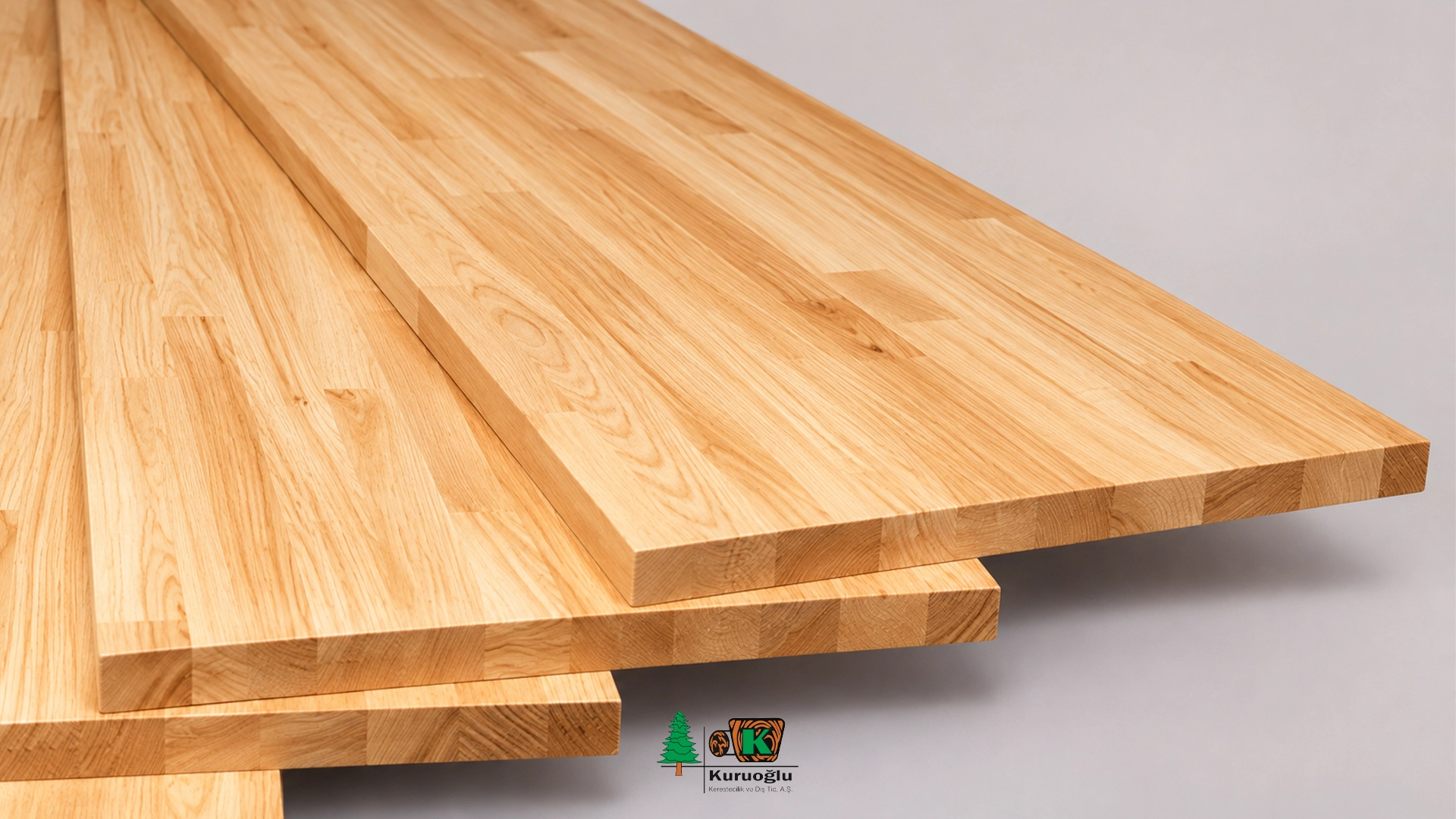
A solid wood panel is produced by bonding natural wood strips, or lamellas, together using suitable adhesive methods. Its color, grain, hardness, and machining characteristics vary with the wood species. Oak, beech, pine, spruce, chestnut, and walnut can suit different design expectations.
The term solid wood does not necessarily mean that a panel consists of one wide, uninterrupted piece cut from a tree. Panels may contain multiple joined strips. Finger-jointed and full-length strip constructions affect the arrangement and appearance of those pieces.
A defining feature is that natural wood continues through the panel's cross-section. However, this does not mean that the panel will never move, that it is waterproof, or that it will perform identically in every application. Species and manufacturing characteristics must be considered.
What Is MDF?
MDF stands for Medium Density Fibreboard. It is manufactured by combining wood fibers with binders and pressing them into a board. Rather than the distinct grain structure of natural timber, it offers a more uniform material for machining.
Raw MDF can be painted, veneered, or finished with other decorative surface systems. Its final appearance depends on the coating or facing applied. Raw MDF, natural wood-veneered MDF, and melamine-faced MDF should therefore not be treated as identical products.
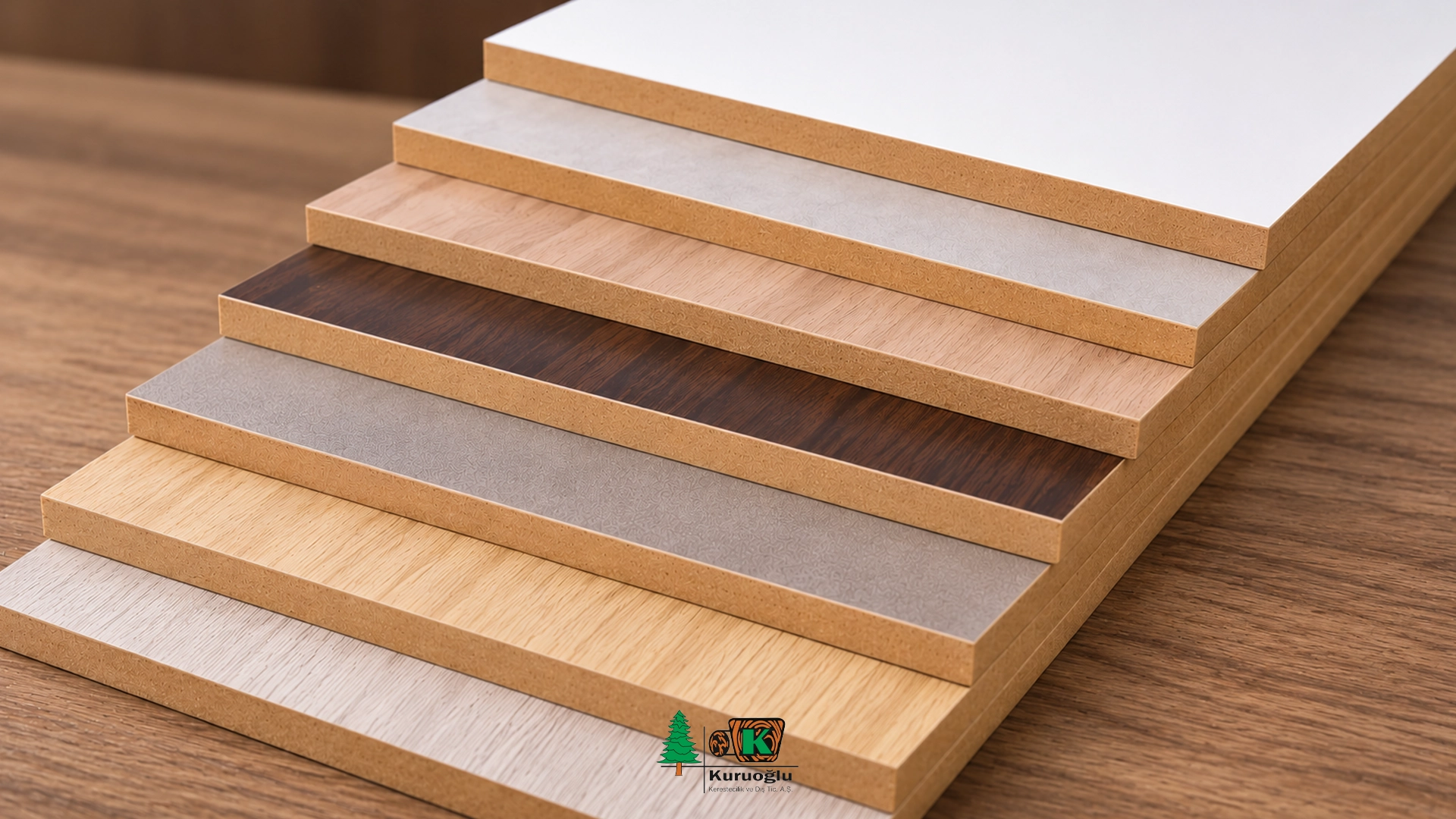
When asking solid wood panel or MDF, it is also important not to confuse MDF with particleboard. Both are wood-based panels, but they use different fiber-based and particle-based structures. Confirming the exact product description helps avoid misleading comparisons.
Key Differences Between Solid Wood Panels and MDF
| Characteristic | Solid Wood Panel | MDF |
|---|---|---|
| Internal structure | Bonded natural wood strips | Pressed wood fibers |
| Appearance | Species-specific grain and color variation | Uniform when raw; final appearance depends on the finish |
| Moisture movement | Dimensional changes vary with grain direction | Generally more stable than solid wood, but still affected by moisture |
| Painting | Finishes can reveal or conceal the grain | Suitable for smooth, opaque painted finishes |
| Repair | Refinishing may be possible, depending on damage and finish | Options depend on the facing and type of damage |
| Design | Connections must accommodate wood movement | Design must suit board and fixing characteristics |
| Cost | Depends on species, grade, and construction | Depends on board grade, facing, and processing |
This table provides a starting point. A meaningful solid wood panel or MDF comparison should use equivalent thicknesses, similar dimensions, and the same intended application.
1. Appearance and Natural Texture
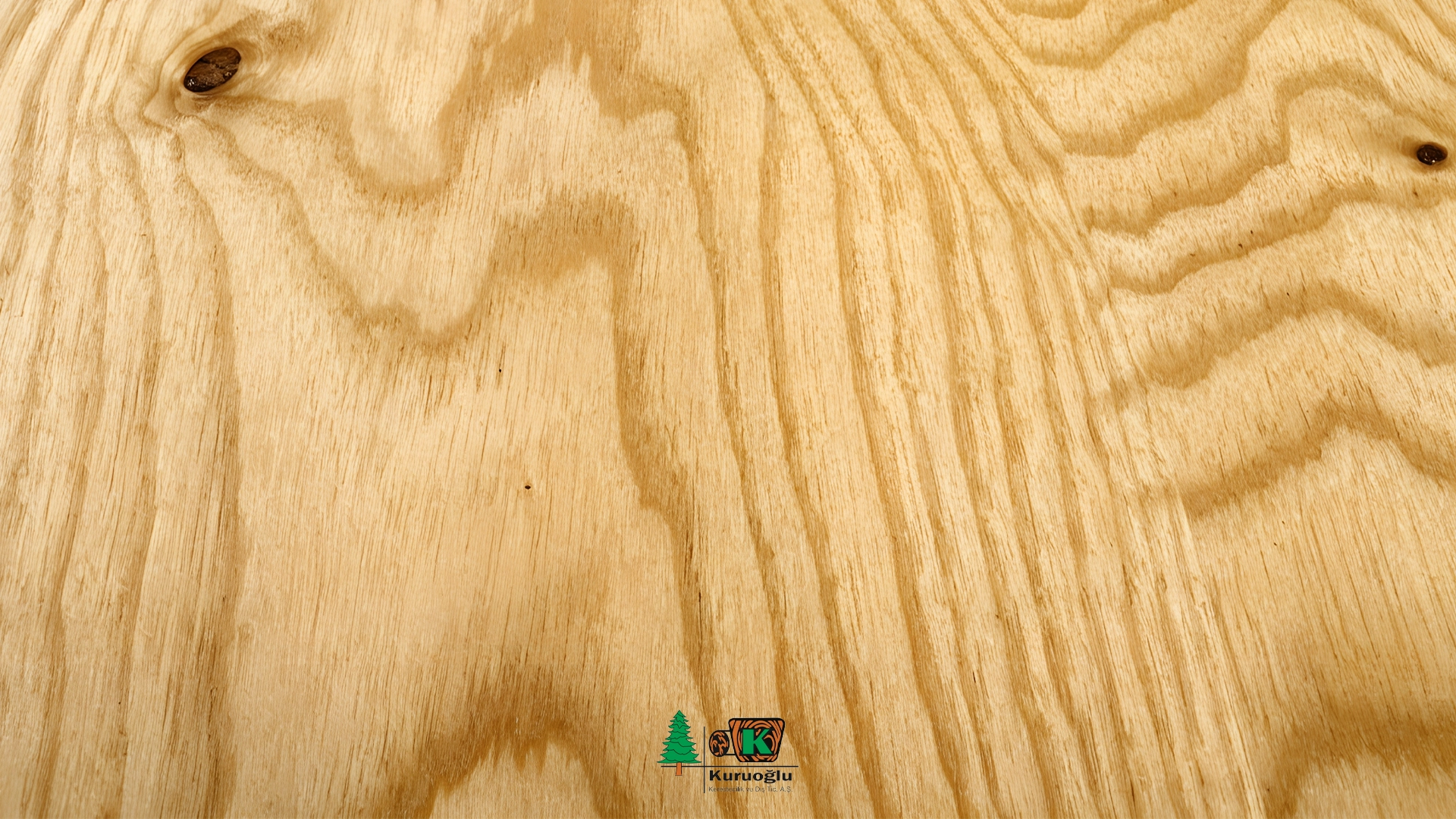
In a solid wood panel, grain patterns, color transitions, and strip arrangement form part of the design. Individual panels may not look exactly alike. This variation can be desirable in projects seeking a natural character.
MDF can be considered where consistent colors and repeatable surface appearances are priorities. However, the idea that MDF cannot look like wood is incorrect. A natural wood veneer can provide genuine wood grain at the surface.
The decision also depends on expectations for the edges and cross-section. When choosing solid wood panel or MDF, examining an actual finished sample and its edge detail is more useful than relying only on a photograph of the top surface.
2. Durability: Which Material Is Stronger?
Strength is not a single property. Impact resistance, bending behavior, joint performance, and long-term deflection under load are different considerations. Good performance in one application does not establish superiority in every application.
For solid wood panels, species and grain direction matter. For MDF, consider board grade, density profile, and the manufacturer's technical values. With both materials, thickness, span, support positions, and load distribution influence performance.
For example, choosing a “high-quality panel” is not enough when designing a long bookshelf. Support spacing also needs to be appropriate. If load capacity is the main concern in a solid wood panel or MDF decision, use technical information and application-specific calculations rather than the material name alone.
3. Moisture and Water Exposure
Solid wood exchanges moisture with the surrounding air. Changes in environmental conditions can lead to dimensional changes. The amount and direction of movement depend on the wood species and grain structure.
MDF is also affected by moisture. Standard MDF is not suitable for prolonged wet conditions. Moisture-resistant MDF is not the same as waterproof material; its product classification and manufacturer's guidance must be considered.
Consequently, a simple claim that solid wood withstands water while MDF does not is misleading in a solid wood panel or MDF comparison. Exposure duration, joints, edges, and surface protection should be assessed together.
4. Warping and Dimensional Stability
Natural wood does not stop responding to moisture after manufacturing. Solid wood panel installation needs to account for this movement. This is particularly important for wide surfaces, where connections should avoid restraining movement in every direction.
MDF generally offers greater dimensional stability when compared with solid wood movement across the grain. However, this does not mean that MDF can never warp or change in thickness.
Storage and installation conditions matter for both materials. Alongside the solid wood panel or MDF decision, suitable preparation for the intended environment and adequate support contribute to the result.
5. Paint, Clear Finishes, and Veneers
MDF can be considered for cabinet doors in solid colors and for decorative profiles. Its uniform surface can offer advantages in machining and paint preparation. Nevertheless, cut-edge preparation, primer selection, and application quality remain important.
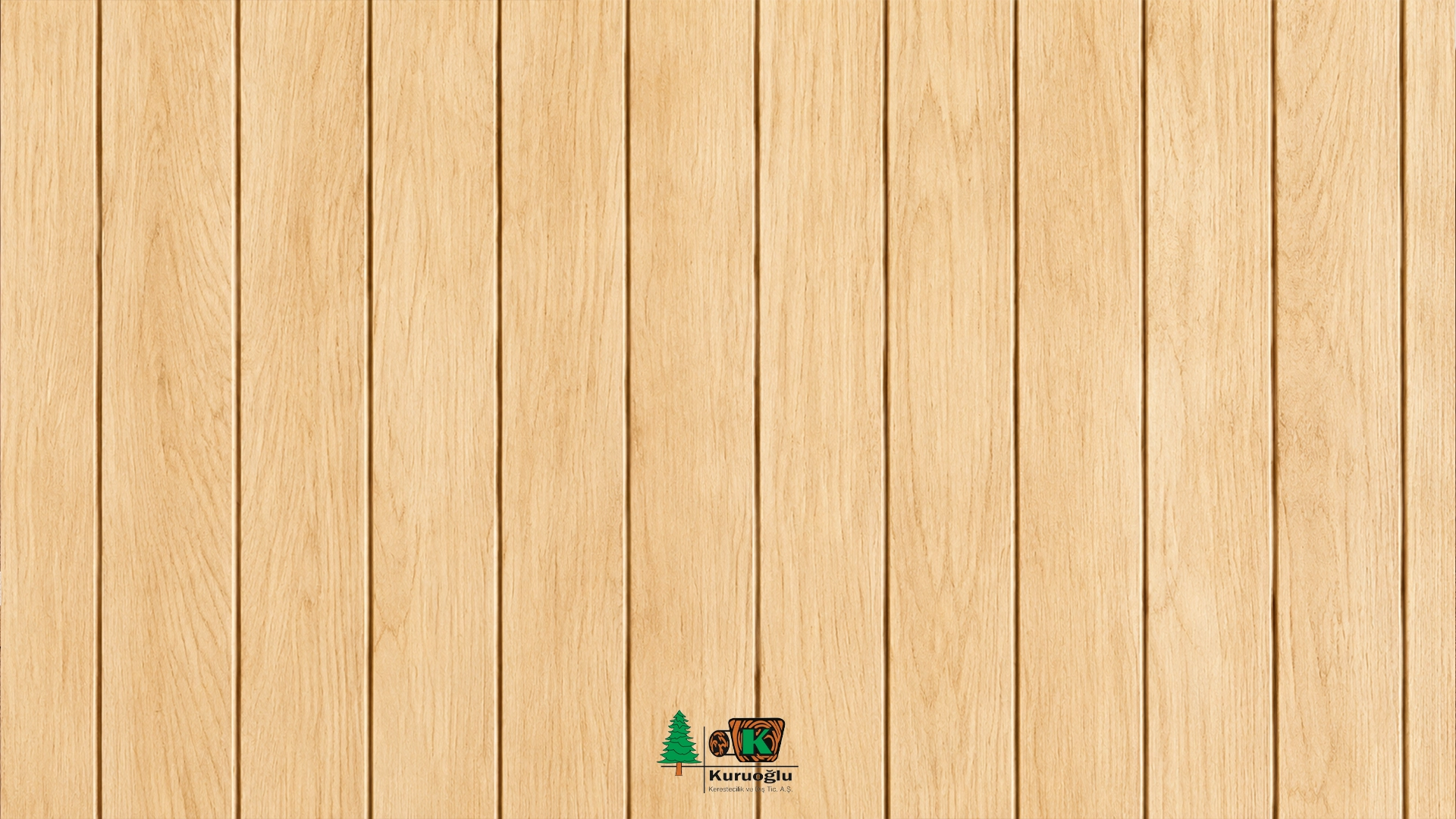
MDF edges can absorb finishing materials differently from the faces. Appropriate edge preparation and sealing help achieve a more consistent painted result. Compatibility between finishing materials should be confirmed through supplier guidance.
Solid wood panels can receive finishes that highlight or conceal their grain. When choosing solid wood panel or MDF, decide on the intended finishing system early. The material and the work required to finish it should be considered together.
6. Screw Holding and Furniture Connections
It is incorrect to say that MDF cannot hold screws. Suitable screws, pilot holes, edge distances, and board thickness can provide effective connections. Product and fastener recommendations are especially important for edge fixing.
Species, grain direction, and fixing location also matter in solid wood panels. Incorrect screw installation can cause splitting or connection problems regardless of the panel selected.
For furniture that will be repeatedly dismantled and reassembled, consider suitable fittings instead of repeatedly driving screws into the same holes. The solid wood panel or MDF question becomes easier to answer when assembly and servicing requirements are clearly defined.
Solid Wood Panel or MDF for Tables?
A solid wood panel may be considered when natural texture, an exposed wood edge, and the character of the material over time are priorities. Tabletop width, base connections, and environmental conditions still need proper planning.
MDF can be used in table designs with painted, veneered, or other decorative surfaces. The suitability of the chosen finish for scratches, stains, and everyday use should be assessed separately.
A desk and a dining table may face different demands. Liquid spills, hot dishes, and cleaning habits should be considered. Choosing the core panel alone does not determine every aspect of the finished table's performance.
Choosing Materials for Cabinets and Kitchens
Cabinet carcasses, doors, and internal shelves do not have to use the same material. Their appearance, weight, fixing, and cost requirements can differ. A useful comparison considers each component separately.
MDF can be considered for painted and profiled doors, while suitable solid wood constructions may be chosen when natural character is the priority. Wider solid wood doors particularly require construction that accounts for wood movement.
For kitchen projects, the solid wood panel or MDF decision should consider sink areas, dishwasher steam, and potential plumbing leaks. Selecting a moisture-resistant board does not replace appropriate edge treatment and joint detailing.
Selecting Panels for Shelves and Wall Cladding
Shelf thickness, length, and expected load should be evaluated together. As unsupported spans increase, the supporting structure becomes more important alongside the panel material.
For wall cladding, the intended finish and installation method are key considerations. Painted MDF, veneered MDF, and natural wood solutions can suit different designs. Panel weight and the wall's fixing capacity should also be checked.
In these applications, the solid wood panel or MDF choice should not be based solely on interior style. Intended use, access to services, and the possibility of future component replacement should also inform the decision.
Maintenance and Repair Differences
Solid wood surfaces may be sanded or refinished where the damage depth and existing finishing system allow. However, not every stain can necessarily be removed, and no panel should be assumed to permit unlimited refinishing.
Repair options for MDF products depend on whether the surface is painted, naturally veneered, melamine-faced, or finished in another way. Deep sanding suitable for solid wood may be inappropriate for a thin veneer. When the board core has swollen from water exposure, surface correction alone may not be enough.
Cleaning instructions for the final finish are as important as the panel itself. When comparing solid wood panel or MDF, ask for maintenance guidance applicable to the finished surface.
How Should Solid Wood Panel and MDF Prices Be Compared?
Solid wood panel pricing varies with species, grade, finger-jointed or full-length strip construction, thickness, and dimensions. MDF pricing depends on board grade, thickness, surface facing, and required processing.
Comparing an unfinished MDF sheet directly with a fully finished solid wood panel will not produce a like-for-like result. Cutting, edge treatment, painting, clear finishing, fittings, and waste should all be included in the same cost calculation.
The financial side of a solid wood panel or MDF decision should be assessed at finished-product level. Expected service life, maintenance, and potential replacement costs may affect the budget alongside the purchase price. Request a current quotation using the required dimensions and product specifications.
Is Veneered MDF the Same as a Solid Wood Panel?
Natural wood-veneered MDF is an MDF-based product with a real wood veneer on its surface. It may look like timber externally, but its core remains MDF. In a solid wood panel, natural wood continues through the cross-section.
This distinction matters for edge detailing, profiling, and repairs. Working on a veneered product without knowing the veneer thickness can expose the substrate.
Not every project seeking a wood appearance requires solid wood. Including veneered MDF in the solid wood panel or MDF comparison provides additional ways to balance appearance and budget.
Questions to Answer Before Ordering
An accurate quotation requires more than a material name. Rather than saying only that you are making a table, describe the dimensions, intended use, and finishing expectations.
Clarify the following before ordering:
- The finished product and whether it will be used indoors or outdoors.
- The required length, width, and thickness of each finished component.
- Expected loads and support positions.
- Preferred wood species or board grade.
- Paint, clear coating, oil, or veneer requirements.
- Cutting, profiling, and edge processing.
- Technical information, current stock, and delivery conditions.
This checklist turns the solid wood panel or MDF question into a specific product selection. Suitability for outdoor use or persistently wet environments should be confirmed separately.
Frequently Asked Questions
Is a Solid Wood Panel Always Higher Quality Than MDF?
Quality is not determined by the material name alone. Product grade, manufacturing characteristics, and suitability for the application should be assessed together. Correctly specified MDF may be a better choice than a solid wood panel that does not meet the project's needs.
Is MDF Completely Waterproof?
No. Standard MDF and moisture-resistant MDF are different products, and moisture resistance does not mean unlimited resistance to water. Check the intended-use classification and manufacturer's instructions.
Is a Solid Wood Panel One Piece of Timber?
Not necessarily. Panels are made by joining wood strips. Finger-jointed and full-length strip constructions may be available. The term solid refers to natural wood being present throughout the panel's thickness.
Which Material Is Lighter?
There is no reliable general answer without knowing the species, MDF density, thickness, and dimensions. If weight matters, compare technical data for products of equivalent size.
Can Both Materials Be Used in the Same Piece of Furniture?
Yes. Carcasses, doors, and tops may use different materials. Connections should accommodate the behavior of the selected materials, and their combined appearance should be assessed.
Explore Panel Options with Kuruoğlu Kerestecilik
Kuruoğlu Kerestecilik ve Dış Tic. A.Ş. lists solid wood panels alongside MDF and veneered MDF among its product groups. Its solid wood panel category includes species such as oak, beech, pine, spruce, chestnut, and walnut.
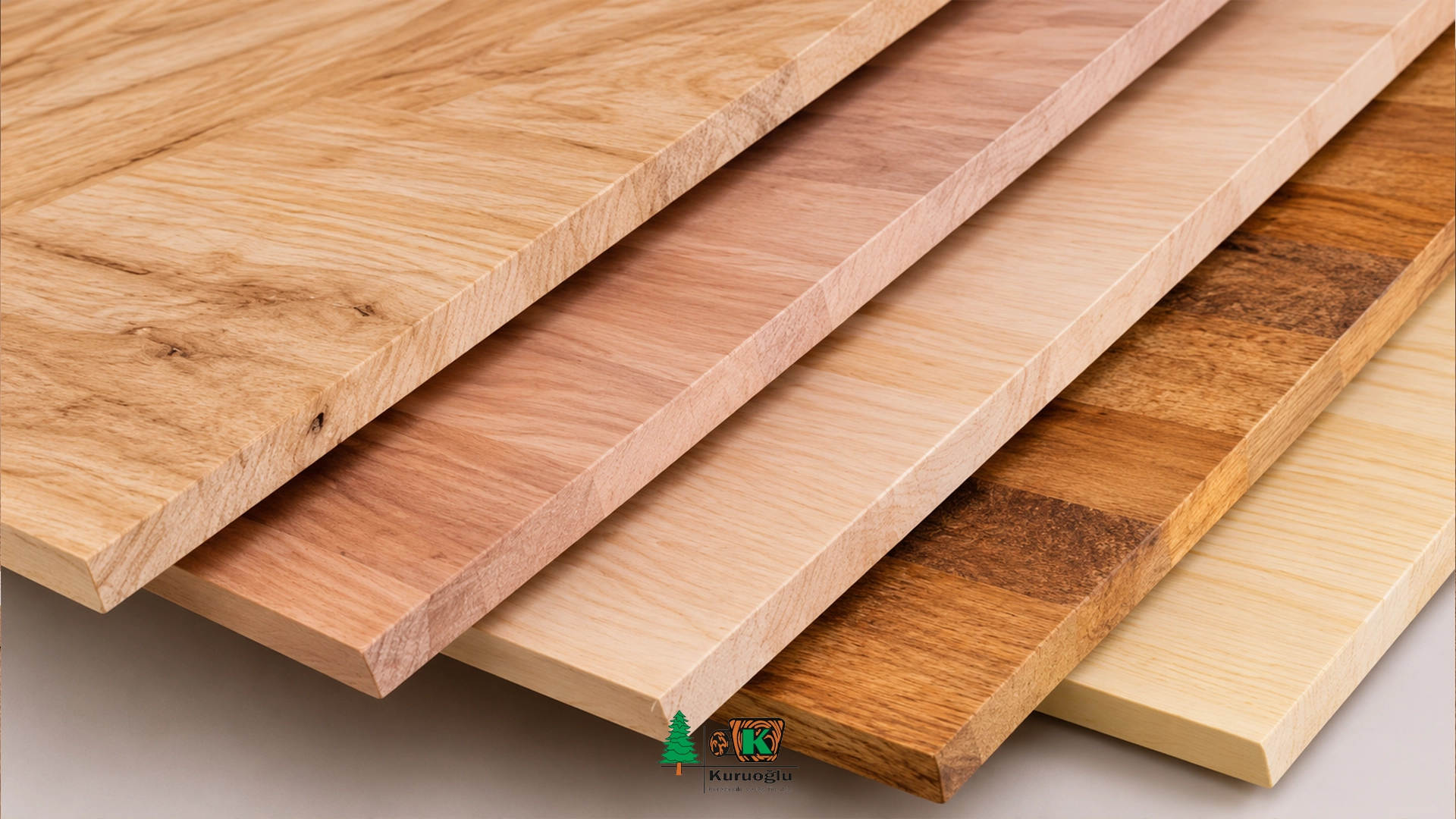
When deciding on solid wood panel or MDF for your project, share your intended application, dimensions, and finish expectations to learn about the relevant products' current specifications. Exploring the solid wood panel range and the MDF and veneered MDF category provides a starting point for comparison.
Selecting the right panel means considering natural appearance, manufacturing requirements, maintenance, and budget together. Comparing samples, technical information, and service conditions before purchasing helps establish a furniture or interior project that matches your expectations.