Oak Veneered MDF: Features, Uses and Benefits
Discover oak veneered MDF, its features, benefits, applications and key factors to consider when choosing natural oak veneer MDF panels.
What Is Oak Veneered MDF? Features and Areas of Use
In furniture manufacturing, decoration, and interior design projects, choosing materials that offer both visual appeal and functional performance is highly important. Oak veneered MDF is one of the most preferred panel materials for projects that aim to combine the warm, natural appearance of real wood with the smooth and workable structure of MDF.
Thanks to the distinctive grain structure and timeless appearance of oak, oak veneered MDF is widely used in furniture production, wall panels, cabinets, desks, tables, office furniture, retail interiors, and custom architectural applications.
Oak has long been valued in interior design due to its natural texture, strong grain pattern, and elegant color transitions. When a natural oak veneer is applied over an MDF board, the result is a versatile decorative panel that combines natural wood aesthetics with the practical advantages of engineered wood panels.
For this reason, oak veneered MDF can be used in a broad range of design styles, from contemporary and minimalist interiors to classic and rustic projects.
Kuruoğlu Kerestecilik ve Dış Tic. A.Ş. offers various wood and wood-based panel solutions for furniture, interior design, and architectural projects.
What Is Oak Veneered MDF?
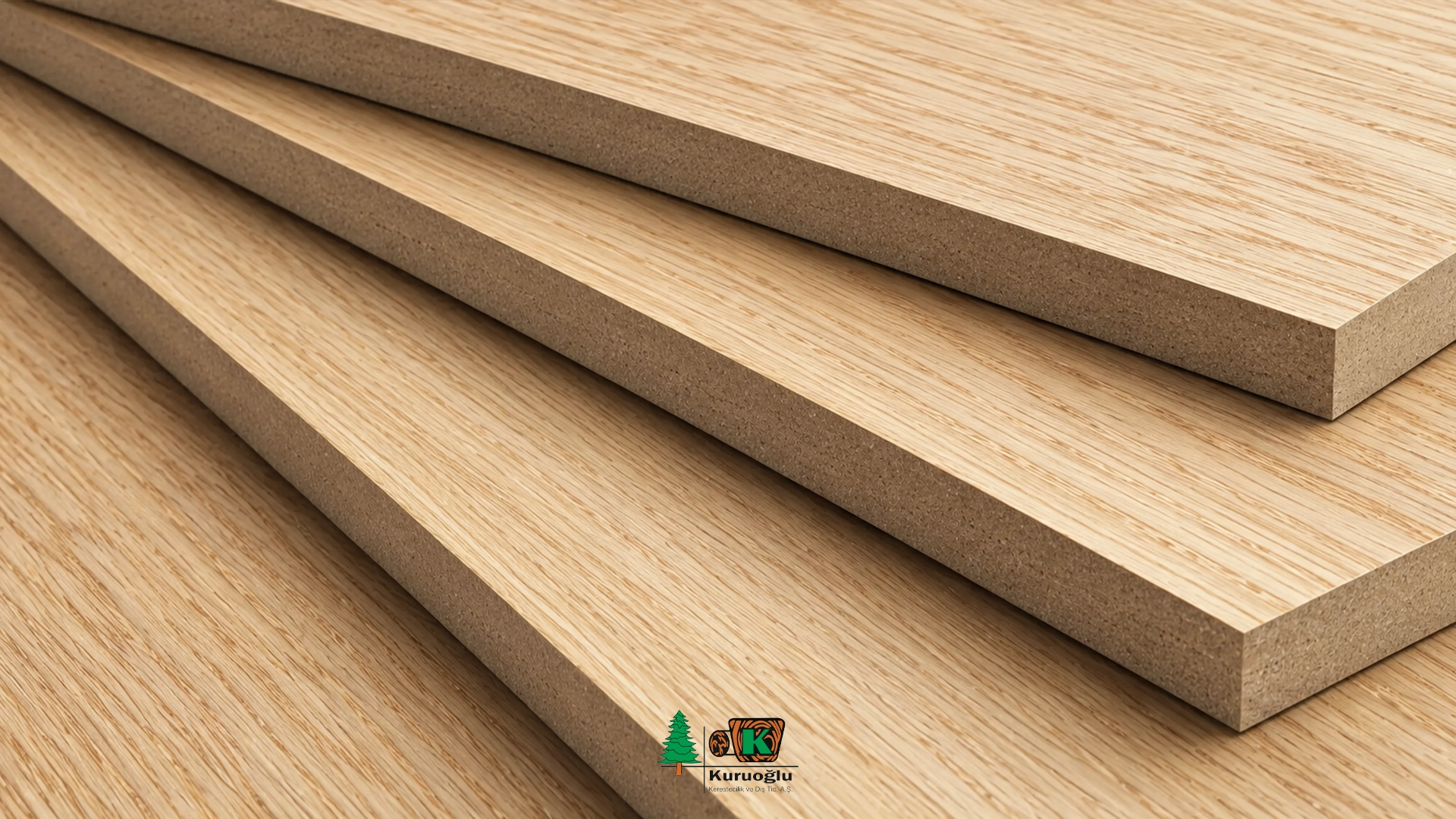
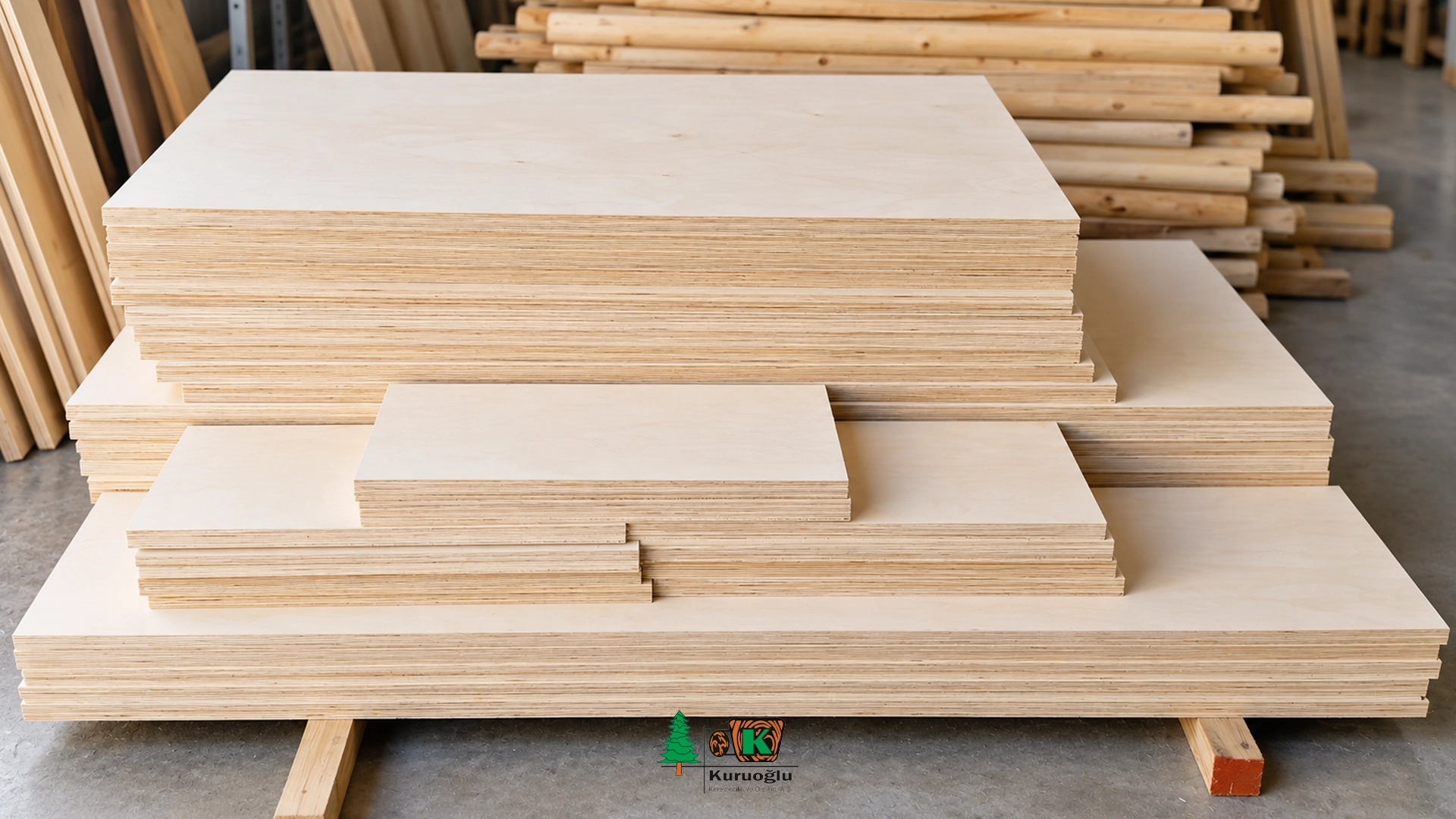
Oak veneered MDF is a decorative panel material produced by applying a thin layer of natural oak veneer to the surface of an MDF board.
MDF, which stands for Medium-Density Fiberboard, is manufactured by combining wood fibers with resin and pressing them under high temperature and pressure. This manufacturing method gives MDF a smooth and homogeneous structure.
Oak veneer, on the other hand, is a thin layer of natural wood cut from oak logs.
When natural oak veneer is bonded to MDF, the surface gains the authentic appearance and grain of real oak, while the MDF core provides a stable and easy-to-process base.
As a result, oak veneered MDF becomes an attractive alternative for furniture manufacturers, interior architects, designers, and contractors who want to benefit from the appearance of natural oak without using solid oak throughout the entire panel.
Are Oak MDF Veneer and Oak Veneered MDF the Same?
In the woodworking and furniture industries, similar expressions may be used to describe the same or closely related products.
Terms such as:
oak veneered MDF
oak MDF veneer
oak veneer MDF
natural oak veneered MDF
oak veneer board
wood veneered MDF
may refer to MDF panels covered with a real oak veneer surface.
However, it is important to distinguish natural veneer from decorative or melamine surfaces.
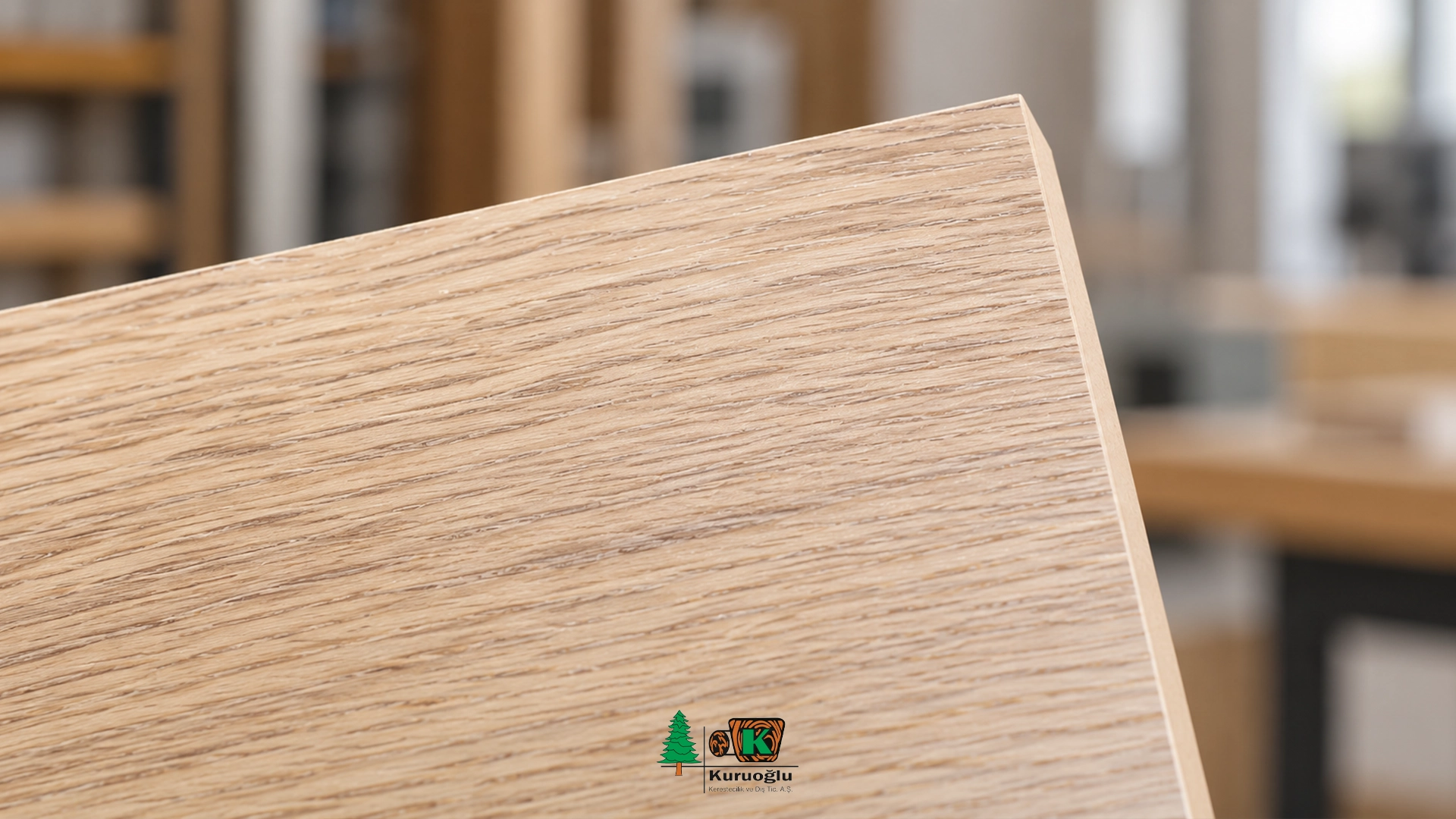
Natural oak veneer is made from real wood and therefore has authentic grain variations and natural texture. Decorative oak-patterned MDF, meanwhile, may use printed or synthetic surfaces designed to imitate the appearance of oak.
For this reason, customers should always confirm whether a panel is manufactured with natural oak veneer or a decorative oak-effect finish.
How Is Oak Veneered MDF Produced?
The production of oak veneered MDF is based on combining a smooth MDF core with carefully selected natural oak veneer.
The process generally begins with selecting the appropriate MDF board according to the requirements of the project.
Natural oak veneer sheets are then prepared and matched according to grain, tone, and desired visual appearance.
The veneer is bonded to the MDF surface with suitable adhesives and pressing systems. Proper pressure and bonding are essential in order to achieve a smooth, durable, and visually consistent surface.
After pressing, the surface may go through additional processes such as sanding, trimming, staining, varnishing, or other protective finishing applications.
At the end of the production process, the panel combines the natural beauty of oak with the practical structure of MDF.
What Are the Features of Oak Veneered MDF?
One of the main reasons why oak veneered MDF is widely used is that it offers a balance between aesthetics and practicality.
Natural Wood Appearance
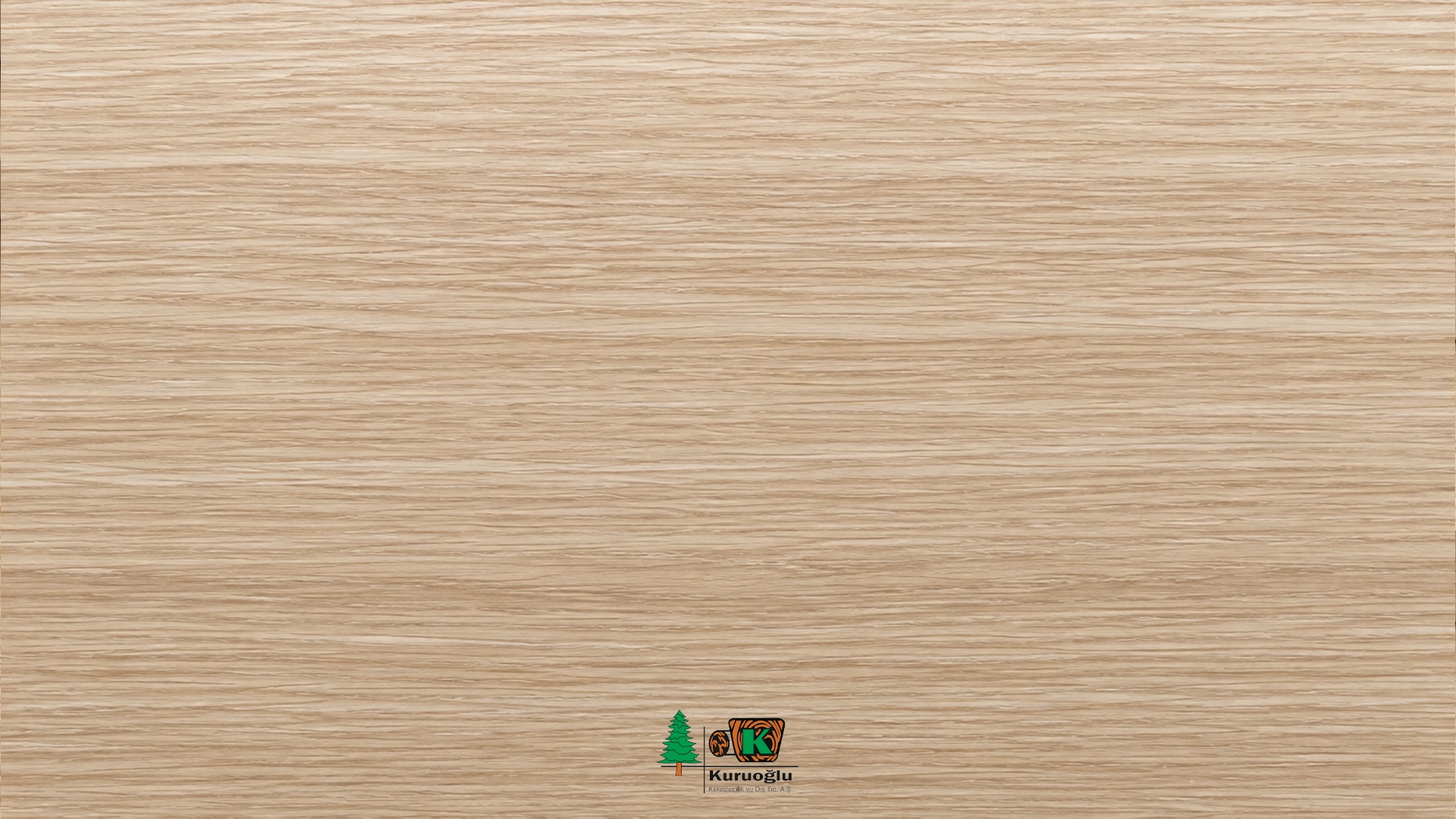
Oak has a highly recognizable grain pattern that adds character to interior spaces and furniture.
Because real oak veneer is used on the surface, oak veneered MDF can provide an authentic and warm wood appearance.
This makes it suitable for projects where natural-looking materials are an important part of the design concept.
Smooth and Homogeneous Core
MDF has a relatively homogeneous structure compared with many natural solid wood materials.
This can make it easier to obtain smooth surfaces and consistent processing results during furniture manufacturing.
Easy to Process
Workability is an important factor in furniture production.
With appropriate tools and techniques, oak veneered MDF can be cut, drilled, shaped, routed, and processed for various furniture and interior applications.
It can also be used in CNC machining depending on the project and panel specifications.
Suitable for Different Design Styles
Oak veneer works well with a wide variety of interior design concepts.
It can be used in:
modern interiors
minimalist designs
Scandinavian-style interiors
classic furniture
rustic spaces
industrial interiors
Lighter oak tones can create a bright and natural atmosphere, while darker stains and finishes can give the surface a richer and more sophisticated appearance.
Where Is Oak Veneered MDF Used?
The applications of oak veneered MDF are extensive.
It can be used in both residential and commercial projects.
Furniture Manufacturing
Furniture production is one of the most common areas where oak veneered panels are used.
They can be incorporated into:
dining tables
TV units
bookcases
consoles
work desks
side tables
wardrobes
shelving systems
custom-made furniture
The oak surface can give furniture a warmer and more refined appearance.
Kitchen Furniture
Natural wood surfaces continue to be a popular choice in kitchen design.
Oak veneered MDF may be used in suitable kitchen furniture applications, particularly where a natural wood appearance is desired.
Possible uses include cabinet doors, decorative side panels, shelving systems, kitchen islands, and complementary furniture elements.
In modern interiors, oak is often combined with white, cream, black, anthracite, stone, and neutral colors.
Bedroom Furniture
Oak veneer can also be used in bedroom furniture.
Wardrobes, bedside tables, dressers, headboards, and decorative wall elements can all benefit from the warm appearance of natural oak.
Office Furniture
Wooden surfaces are frequently used in office interiors to create a more professional and welcoming atmosphere.
Oak veneered MDF can be used in executive desks, meeting tables, workstations, cabinets, shelving systems, and reception areas.
It can also be combined with materials such as metal, glass, stone, or concrete-effect surfaces.
Decorative Wall Panels
Decorative wall panel systems have become increasingly popular in contemporary interior design.
Oak surfaces are commonly used behind televisions, in hotel lobbies, in offices, meeting rooms, restaurants, and high-end residential projects.
Oak veneered MDF can be a practical option for creating visually continuous wood surfaces across large interior areas.
Retail and Commercial Interiors
Retail stores, hotels, restaurants, showrooms, cafes, and offices often require materials that support the overall design identity of the space.
Natural oak can create a premium and inviting appearance.
For this reason, oak veneered panels can be used in display systems, counters, wall cladding, shelving units, reception desks, and custom furniture.
Advantages of Oak Veneered MDF
When selected and used correctly, oak veneered MDF can offer several advantages.
Elegant Appearance
The natural grain of oak gives each panel a distinctive character.
Because natural veneer comes from real wood, slight variations in grain and tone may occur, contributing to a more authentic appearance.
Design Flexibility
Oak veneer can be finished in various ways.
It may retain its natural appearance or be treated with stains, varnishes, oils, or other finishing systems according to the requirements of the project.
Suitable for Furniture Production
The consistent structure of MDF makes it a practical base material for many furniture applications.
Panels can be cut and processed into different furniture components depending on the project design.
Wide Range of Applications
From residential furniture to commercial interiors, oak veneered MDF can be used in many different applications.
This versatility makes it suitable for both custom furniture and larger architectural projects.
Oak Veneered MDF vs Solid Oak
Oak veneered MDF and solid oak are not the same material.
Solid oak products are made entirely from natural oak wood.
In oak veneered MDF, the main core is MDF, while the surface is covered with a thin layer of natural oak veneer.
This difference may affect:
weight
cost
processing
stability
appearance
application method
Solid wood naturally reacts to changes in humidity and temperature. MDF, on the other hand, provides a more uniform and engineered core.
The best option depends on the requirements, budget, design, and intended use of the project.
Oak Veneered MDF vs Oak-Effect MDF Lam
Another common comparison is between natural oak veneered MDF and oak-effect MDF Lam.
MDF Lam typically consists of MDF covered with a decorative melamine surface.
This surface can imitate different wood patterns and colors.
Natural oak veneered MDF, however, uses real oak veneer on the surface.
For this reason, the two products may differ in:
texture
natural appearance
finishing options
surface characteristics
project application
Natural veneer may be preferred in projects where an authentic wood look is important, while decorative laminated panels may be selected for standard patterns and high-volume applications.
What Should Be Considered When Choosing Oak Veneered MDF?
Choosing the right panel requires more than simply selecting a preferred wood color.
Several technical factors should also be considered.
MDF Thickness
The required thickness should be selected according to the intended use.
A panel used for a cabinet body may have different requirements from a panel used for a table top or decorative wall application.
Veneer Quality
The quality, grain, tone, and matching of natural oak veneer can significantly affect the final appearance.
For larger projects, it may be useful to plan grain direction and color harmony between panels.
Application Area
The intended environment should always be considered.
Materials used in dry indoor furniture applications may have different requirements from those used in areas exposed to moisture or temperature variation.
Surface Finish
Natural wood veneer may require protective finishing.
Suitable varnishes, oils, stains, or other coatings can help achieve the desired appearance and protect the surface.
Workmanship
High-quality material alone does not guarantee a successful final product.
Professional cutting, edge finishing, surface treatment, and installation are also important for the final result.
How Should Oak Veneered MDF Be Maintained?
Proper care can help preserve the appearance of veneered surfaces.
When cleaning oak veneered MDF, harsh abrasive products should be avoided.
A soft cloth is generally preferable.
Instead of using excessive amounts of water, the surface can be cleaned with a slightly damp cloth when appropriate.
Moisture should not be left on the surface for extended periods.
Before using chemical cleaning products, their compatibility with the veneer and surface finish should be checked.
Furniture should also be protected from prolonged exposure to excessive humidity, heat, and direct sunlight where possible.
Which Interior Styles Work Well with Oak Veneered MDF?
Oak is highly versatile in interior design.
Modern Interiors
Natural oak adds warmth to modern furniture with clean lines.
It works well with white, black, gray, anthracite, and neutral finishes.
Minimalist Interiors
Minimalist design often relies on a small number of carefully selected materials.
Oak veneered MDF can add visual richness without making the design feel overly decorative.
Scandinavian Design
Scandinavian interiors frequently use light-colored wood.
Light oak veneer can be paired with white and pastel colors to create a bright and comfortable atmosphere.
Industrial Design
Oak can soften the harder visual character of materials such as metal, concrete, and dark surfaces.
It is often used in tables, shelves, cabinets, and wall panels within industrial-style interiors.
Classic Interiors
Oak is not limited to modern design.
With the right profile, stain, and finishing techniques, it can also be used successfully in classic furniture and interior projects.
How Are Oak Veneered MDF Prices Determined?
The price of oak veneered MDF depends on several factors.
These may include:
MDF thickness
board dimensions
veneer quality
type of oak veneer
surface treatment
order quantity
processing requirements
market conditions
Custom veneer matching, special finishing, or project-specific requirements may also affect the total cost.
For this reason, customers should specify the required thickness, dimensions, quantity, and intended application before requesting current pricing.
Why Choose Natural Oak Veneered MDF?
Natural wood remains one of the most valued materials in interior design.
Although design trends change over time, the warm and timeless appearance of wood continues to remain popular.
Oak is particularly appreciated for its strong and recognizable grain.
Natural oak veneered MDF combines this authentic surface appearance with the processing advantages of MDF.
This makes it a practical solution for designers, architects, furniture manufacturers, and contractors who want the appearance of real oak in engineered panel applications.
Why Is Oak Veneered MDF Popular in Furniture Design?
Modern customers are increasingly interested in furniture that combines functionality with strong visual character.
Natural wood surfaces can make interiors feel warmer and more comfortable.
As contemporary interior design continues to favor natural textures and earthy materials, oak has remained one of the leading surface choices.
Oak veneered MDF allows the natural look of oak to be combined with modern furniture forms.
It can be used in minimalist TV units, desks, shelving systems, cabinets, tables, and decorative panels.
Frequently Asked Questions About Oak Veneered MDF
Is oak veneered MDF real wood?
The core of the panel is MDF. However, when natural veneer is used, the surface consists of a thin layer of real oak wood.
Therefore, it is not the same as solid oak, but it does contain a real wood surface.
Where can oak veneered MDF be used?
It can be used in furniture, cabinets, tables, desks, TV units, decorative wall panels, shelving, office furniture, retail interiors, and various interior design projects.
Can oak veneered MDF be stained or finished?
Yes. Natural veneer surfaces can generally be treated with suitable stains, varnishes, oils, and protective finishes depending on the panel and project requirements.
Is oak veneered MDF durable?
Durability depends on several factors, including MDF quality, veneer quality, manufacturing method, surface protection, workmanship, installation, and the conditions of use.
Is oak MDF veneer the same as oak veneered MDF?
These expressions may sometimes be used interchangeably.
However, the actual product specification should always be checked to confirm whether the surface is natural oak veneer or a decorative oak-effect layer.
Can oak veneered MDF be cut to custom sizes?
Yes. Panels can generally be processed and cut according to project requirements using professional woodworking equipment.
Available sizes and thicknesses depend on the specific product.
Oak Veneered MDF Solutions for Your Projects
For projects that aim to combine the natural beauty of oak with the practical benefits of engineered wood panels, oak veneered MDF is a versatile solution.
It can be used in furniture manufacturing, interior architecture, office design, retail environments, hotels, restaurants, and custom decorative applications.
The natural grain of oak can bring warmth, sophistication, and visual character to a wide variety of spaces.
For the best results, material selection should consider not only appearance but also MDF quality, veneer characteristics, thickness, application conditions, finishing requirements, and workmanship.
Kuruoğlu Kerestecilik ve Dış Tic. A.Ş. provides wood and wood-based panel solutions for a variety of furniture, decoration, and architectural projects.
For detailed information about oak veneered MDF, veneered MDF panels, MDF products, and other wood-based materials, you can contact Kuruoğlu Kerestecilik and request current product and pricing information.
With the right material choice, the timeless appearance of natural oak can become an integral part of your furniture and interior design projects.